


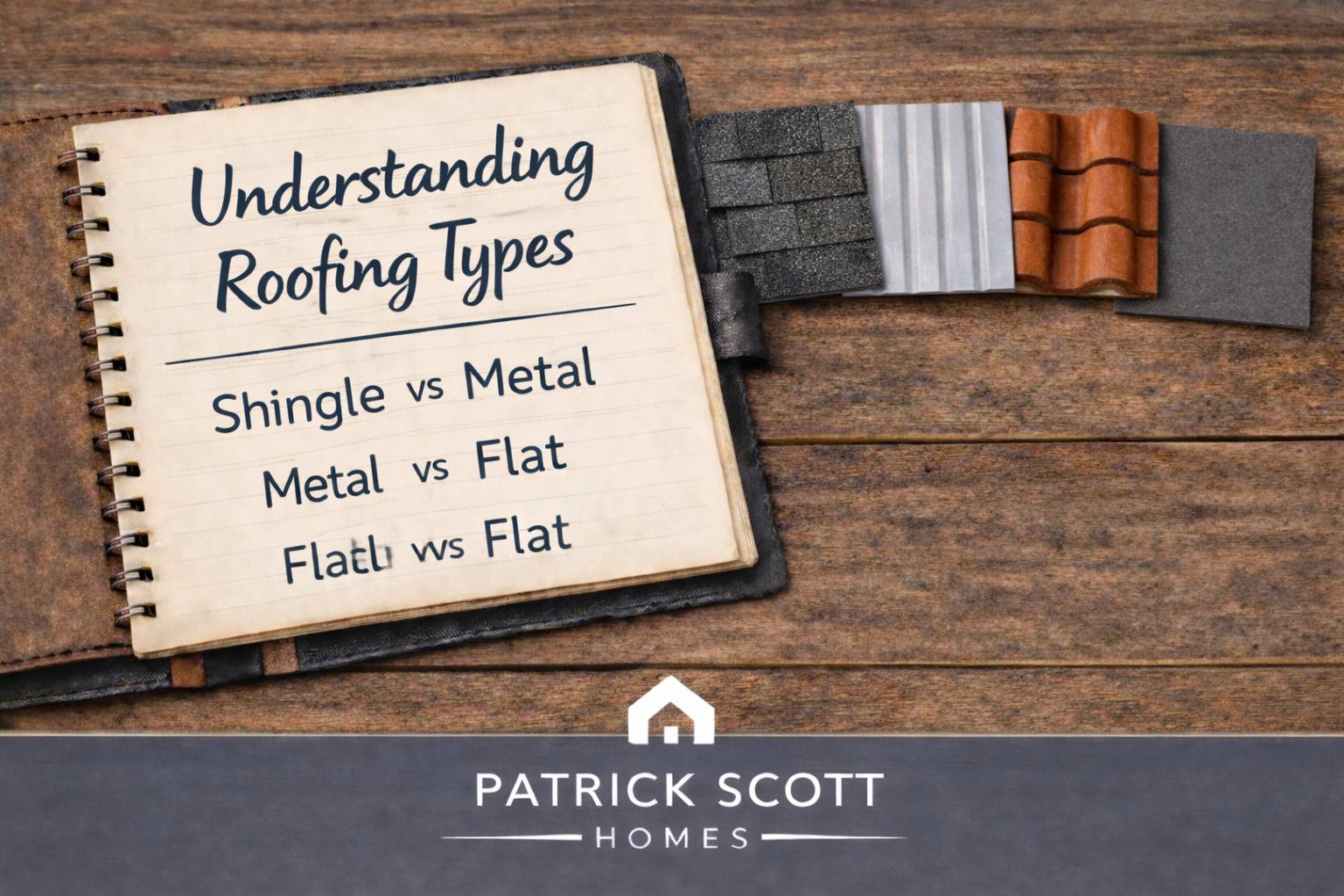
Understanding Common Roofing Types in Homes
When buying a home, the roof is one of the most important and expensive components to understand. It protects everything underneath it, and its condition can significantly impact both maintenance costs and insurance.
If you’re unsure what type of roof a home has or what it means long-term, this guide breaks down the most common roofing types you’ll see when touring homes.
Asphalt Shingle Roofs
Asphalt shingles are the most common roofing material in residential homes. They’re affordable, widely available, and familiar to most buyers.
Pros of shingle roofs:
- Lower upfront cost
- Easy to repair or replace
- Available in many colors and styles
- Widely accepted by insurers
Things to consider:
- Shorter lifespan than other options
- Can be damaged by severe weather
- Typically lasts 15–30 years
Shingle roofs are very common in neighborhoods throughout Mesquite, Garland, Richardson, and much of the Dallas area.
Metal Roofs
Metal roofs have grown in popularity due to their durability and modern appearance. They’re often made from steel or aluminum panels.
Pros of metal roofs:
- Long lifespan (40–70 years)
- Energy efficient
- Resistant to fire and severe weather
- Low maintenance
Things to consider:
- Higher upfront cost
- Can be noisy during heavy rain
- Repairs may require specialized contractors
Metal roofing is often found on newer homes or homes that have undergone major renovations.
Tile Roofs
Tile roofs are typically made from clay or concrete and are known for their distinctive look and longevity.
Pros of tile roofs:
- Extremely durable
- Fire resistant
- Long lifespan (often 50+ years)
- Adds architectural character
Things to consider:
- Heavy, requiring proper structural support
- Higher installation and repair costs
- Individual tiles can crack
Tile roofs are more common in specific architectural styles and upscale properties.
Flat Roofs
Flat roofs are most often seen on modern homes, townhomes, and some older properties. While they appear flat, they usually have a slight slope for drainage.
Pros of flat roofs:
- Modern aesthetic
- Easier access for maintenance
- Lower material cost
- Space can sometimes be used for equipment or patios
Things to consider:
- Drainage issues if not maintained
- Shorter lifespan than pitched roofs
- More frequent inspections required
Flat roofs require careful maintenance and are best evaluated closely during inspections.
Why Roofing Type Matters for Home Buyers
Understanding a home’s roofing type helps buyers:
- Estimate future maintenance costs
- Ask better inspection questions
- Plan for insurance requirements
- Avoid unexpected expenses
Roof age, material, and condition all play a role in negotiations and long-term ownership costs.
Final Thoughts
When touring homes, don’t hesitate to ask about the roof’s age, material, and maintenance history. A roof may not be the most exciting feature of a home, but it’s one of the most important.
Being informed helps you make confident decisions and avoid surprises after closing.
Leave a Reply